To ensure our website works as well as possible for you

This website uses cookies. Essential cookies keep the website running and are always active. We only use other cookies with your consent for your convenience, statistics, and measurement. You can change your selection at any time in the Detailed cookie settings. For more information, see Terms and conditions for use of website.

Functional cookies These cookies are necessary for the proper functioning of the website and therefore cannot be turned off.
Analytics cookies Analytical cookies help us understand how visitors use our website. They allow us to track and analyze user interactions using tools such as Google Analytics 4 and Microsoft Clarity so that we can improve the content, functionality, and overall user experience. The data collected is processed in aggregate form and is not used for targeted advertising.
Marketing cookies Reading and writing cookies for marketing purposes for advertising systems such as Google Ads or Sklik. These cookies allow us to track user behavior and measure website performance and the effectiveness of our advertising campaigns.
Personalized advertising Remarketing cookies allow us to present you with personalized advertising based on your previous interactions with our site in systems such as Google Ads, Sklik.
Use of personal data With this option, you consent to the sending and processing of your personal data to Google for the purposes of targeting and evaluating online advertising and targeted marketing.
Summer Opening Hours – Paediatrics: 29 June – 28 August 2026: 8am – 4:30pm Outpatient Clinic: Normal, except on: 8 July & 5 August 2026: 8am – 5:30pm
icn
Logo MY CLINIC

Varicose Veins Are Not Just a Cosmetic Concern. When Should You See a Vascular Surgeon? 08.21.2026

img img

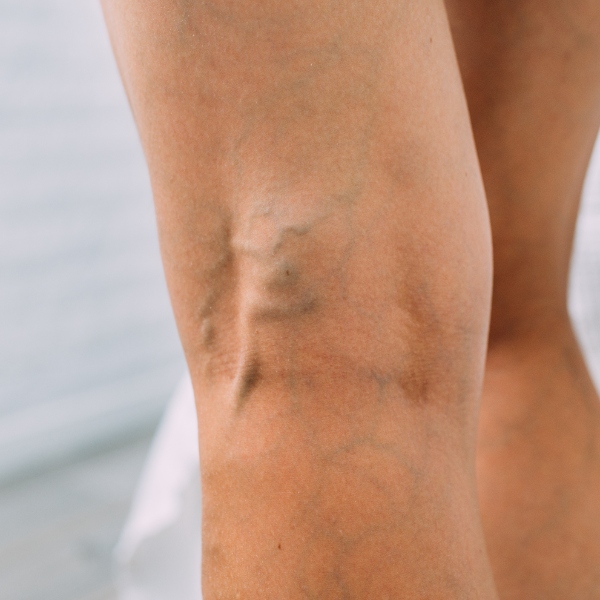
A feeling of heaviness in the legs, swelling around the ankles, night-time cramps or increasingly prominent veins. Venous problems often begin subtly, and many people initially perceive them mainly as a cosmetic issue.

However, varicose veins can be a sign of impaired venous function. Early assessment can help identify the underlying cause of the symptoms and determine the most appropriate treatment based on the individual findings.

The topic is discussed by MUDr Marek Šlais, vascular surgeon at MY CLINIC, who specialises in the diagnosis and treatment of conditions affecting the venous and arterial systems.

“Patients often come to us when they start to find their visible veins bothersome. During an examination, however, we are not only interested in what we can see on the surface. We need to understand how the entire venous system is functioning and where the underlying cause of the symptoms lies,” explains MUDr Šlais.
 

When Is It Time to Have Your Veins Examined?

You do not need to wait until varicose veins become prominent or cause severe pain before seeing a vascular surgeon.

Particular attention should be paid to:

The difference between the two legs is also important. Venous disease typically affects one leg more severely than the other. A feeling of equal heaviness or tiredness in both legs may also be associated with general physical strain or prolonged periods of standing or sitting.

“When assessing symptoms, asymmetry is important. One leg is usually more affected than the other. If both legs feel equally heavy, this may be more indicative of general overexertion than a typical sign of venous disease,” says MUDr Šlais.

If symptoms recur, gradually worsen or differ significantly between the right and left leg, it is advisable to have their cause investigated.

Why Do Varicose Veins Develop?

The veins in the legs carry blood back towards the heart. Venous valves and the action of the leg muscles play an important role in this process.

If the valves do not function properly, blood can accumulate in the veins. This increases pressure within them and can gradually lead to enlarged veins, swelling and other symptoms.

The development of venous problems can be influenced by genetic predisposition, prolonged standing or sitting, lack of physical activity, higher body weight, pregnancy and age. During prolonged periods of static activity, the calf muscle pump is not sufficiently engaged, so it is advisable to change position regularly and take short walks throughout the day.

Why Is an Ultrasound Scan Essential?

What we see on the surface of the leg does not necessarily indicate where the problem originates or how extensive it is.

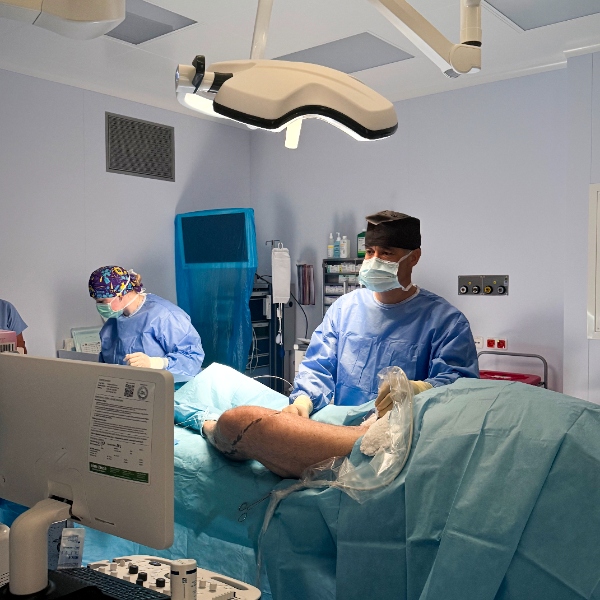
An examination therefore includes a consultation with the patient, a clinical assessment of the lower limbs and an ultrasound examination of the venous system.

Ultrasound allows the specialist to assess:

  • patency of the deep and superficial veins,
  • function of the venous valves,
  • direction of blood flow,
  • presence of abnormal backward blood flow (venous reflux),
  • location and extent of the affected veins.

Without an ultrasound examination, it is not possible to reliably determine the underlying cause of the symptoms or plan the appropriate treatment. It is therefore an essential part of modern venous diagnostics.

“Two legs may look similar at first glance, yet their ultrasound findings can be completely different. Treatment therefore cannot be selected based solely on the appearance of the veins. Ultrasound is now an essential prerequisite for both diagnosis and planning modern treatment,” emphasises MUDr Šlais.

Do Varicose Veins Automatically Mean Surgery?

No. Treatment is selected according to the extent of the condition, the patient’s symptoms and the results of the ultrasound examination.

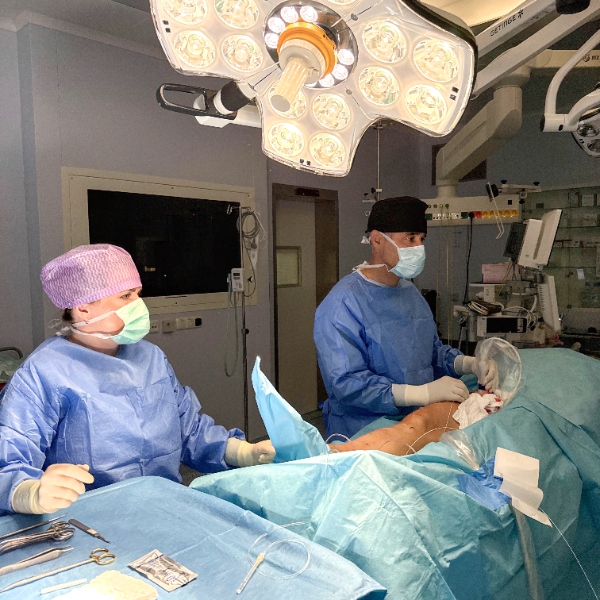
In some cases, lifestyle measures or compression therapy may be sufficient. For other patients, sclerotherapy or one of the minimally invasive techniques, such as endovenous laser ablation (EVLA), may be appropriate.

“Patients do not need to know in advance which treatment method they require. That is the specialist’s role. The aim is to choose a solution that corresponds to the individual findings and is medically appropriate for the patient,” adds MUDr Šlais.

How Can You Help Prevent Your Symptoms from Worsening?

Regular physical activity supports the action of the calf muscle pump and helps blood return towards the heart. Walking, hiking, cycling and swimming are particularly beneficial.

Long periods of sitting or standing should be broken up with short walks, changes of position and simple ankle exercises. Maintaining a healthy body weight is also important. The use of compression stockings should be discussed with a doctor based on the individual clinical findings.

img

Varicose Veins Should Not Be Ignored for Too Long

Varicose veins can vary considerably in both appearance and severity. For some people, they are primarily a cosmetic concern; for others, they can cause swelling, pain or further complications.

The condition should not be assessed based on appearance alone. A specialist examination, including an ultrasound scan, can help determine the actual condition of the venous system and identify the most appropriate next steps.

Are you experiencing varicose veins, recurrent swelling or more pronounced symptoms in one leg?

Book a consultation with MUDr Marek Šlais at MY CLINIC. The first step is not automatically surgery, but accurate diagnosis and a treatment plan based on your individual findings.

BOOK A CONSULTATION